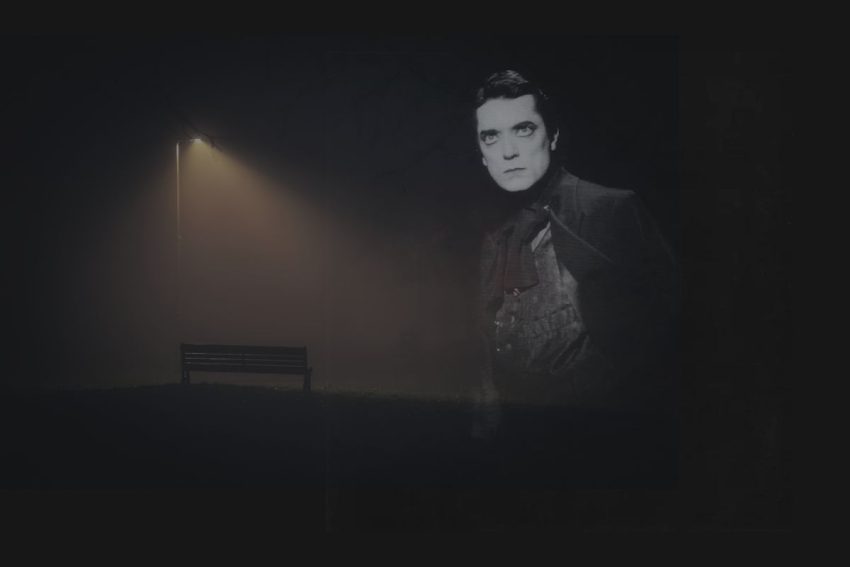
Silence is often ignored in music, but for Devil Doll fans, it becomes something meaningful. Many listeners from the world of Devil Doll collectors feel that quiet moments inside the albums do not simply fill space. They carry weight. They shape the mood and turn each record into something that feels alive and thoughtful. Silence in Devil Doll albums creates tension, builds emotion, and allows listeners to breathe between dramatic musical storms.
For fans, collectors, and anyone who loves strange and theatrical rock, understanding this silent power helps deepen the connection to the music and its mysterious creator. It helps you listen not only to what is being played, but also to what is being withheld. With every quiet second, there is intention, control, and emotional force.
These quiet elements also play a huge role in why the art of Devil Doll continues to feel so haunting. Silence is not an accident. It is art. It gives every album a personality and soul that stays with the listener long after the music stops playing.
Silence also connects deeply to the story of Devil Doll’s history and roots in Italy and Slovenia, where creativity, identity, and artistic mystery shaped the entire project. This background adds depth to how silence is used, turning it into something cultural as well as emotional.
At the same time, silence becomes a bridge between listeners and Devil Doll music itself. It allows space for emotion, imagination, and personal interpretation, which is why so many fans feel a sense of bond with every album.
What This Article Focuses On
This article looks at how silence shapes Devil Doll albums and why it matters to fans.
It explains how quiet sections create drama, how they add emotional weight, and how they help tell stories without words. It also discusses how silence makes listeners feel closer to the music and the persona of Mr. Doctor. These quiet parts do not weaken the songs. Instead, they make everything stronger, darker, and more meaningful.
By the end, you will see silence not as an empty space, but as a powerful musical tool that defines much of Devil Doll’s character and mystique.
Silence As A Storytelling Tool
Devil Doll albums are not simple collections of songs. They feel like long theatrical experiences with shifting moods. In that setting, silence plays a huge part in storytelling. It is not random. It often appears after intense sections of music, almost as if the song itself needs to breathe. Those moments of quiet can feel like standing alone in a dark theater after the lights suddenly go out. Your mind starts to work harder. You wait. You anticipate. You wonder what is coming next. That reaction is intentional.
Silence turns the listener into part of the performance. When everything stops, you become more aware of your own heartbeat, your own thoughts, and your own emotions. Instead of the music dragging you along, silence makes you lean forward. It creates suspense. It controls your expectations. It invites imagination. This is one reason Devil Doll has never felt like background music. You cannot simply play it and forget it. Silence pulls you back in every single time.
These silent moments often line up with emotional turning points in the albums. A sudden quiet section might signal fear, sadness, doubt, or dramatic pause before chaos returns. It is storytelling without speech. Silence becomes a narrator without a voice. Fans feel something intense during these pauses, even though nothing is technically happening. That alone shows how powerful this tool is.
Emotional Weight Through Quiet Moments
Devil Doll music is emotional by nature. It is theatrical, dramatic, gothic, and sometimes overwhelming. Silence helps balance that intensity. Without quiet sections, the music could feel loud all the time and lose its emotional shape. But when everything stops, emotions become clearer. The listener has time to reflect on what they just heard. They have space to feel.
Many fans describe these silent parts as haunting. Others call them peaceful, eerie, or strangely comforting. This emotional variety happens because silence is open. It allows each listener to project their own feelings onto it. It gives everyone a personal experience instead of a fixed one. That is one reason why Devil Doll fans often say the music feels deeply personal to them. The quiet invites them inside.
Silence also makes loud moments feel stronger. When a track shifts from nothing to sudden sound, the emotional hit is massive. The shock, the power, the sudden rush of instruments all feel more alive because silence prepared the stage. The contrast makes the drama real. It keeps the albums from feeling flat. It creates emotional waves instead of straight lines.
Silence And Atmosphere
Atmosphere is everything in Devil Doll albums. Each record feels like a dark theater performance, a mysterious ritual, or a strange dream where music and storytelling blend together. Silence plays a central role in building that atmosphere. Long quiet spaces can sound like shadows, empty rooms, or forgotten memories. They create space in the listener’s imagination. Suddenly, it feels like you are not just listening to a song. You are inside it.
Silence also strengthens the gothic tone of Devil Doll. In gothic art and music, quietness often connects to mystery, loneliness, or hidden fear. Devil Doll uses silence in that same emotional space. It can make you feel alone, watched, thoughtful, or slightly unsettled. It creates psychological depth without needing extra lyrics or melodies. Just silence itself is enough to make you feel something.
Another important part of atmosphere is how silence controls time. Some moments feel stretched. Others feel frozen. Silence makes time slow down. It creates a strange sense that the music exists outside regular timing, which fits perfectly with Devil Doll’s dramatic style. Many listeners describe this as feeling trapped inside the album in the best possible way.
Silence As Artistic Control
Silence shows control. It proves that every sound on a Devil Doll record is carefully placed. Nothing feels accidental. When silence appears, it tells you that Mr. Doctor is not simply writing music. He is shaping an experience. He decides when you breathe, when you pause, and when your heart races again. Silence becomes part of that control.
This also connects to the theatrical nature of Devil Doll. In theater, silence is as important as speech. A pause on stage can be more powerful than a loud line of dialogue. The same happens here. Silence communicates intention. It shows artistic discipline. Instead of filling every second with noise, Devil Doll allows quiet to speak. That confidence gives the music authority.
Fans appreciate this level of purpose. It helps them respect the music not just as entertainment but as serious art. Silence proves patience, confidence, and vision. It shows that Devil Doll does not chase simple hooks or easy listening. Instead, it builds whole emotional landscapes where silence is as meaningful as sound.
Why Silence Matters So Much
Silence in Devil Doll albums is not empty sound. It is music without notes. It shapes storylines, strengthens emotions, builds atmosphere, and deepens mystery. It proves artistic control. It connects listeners to the music in a personal and emotional way. Without silence, Devil Doll albums would lose much of their power, shape, and magic.
The quiet moments make the loud ones stronger. They give weight to drama. They allow every album to feel alive, thoughtful, and emotional. For fans, silence is something to listen to, not something to skip. It is part of what makes Devil Doll so special.
Silence reminds us that music is not only about what we hear. It is also about what we feel in the spaces between the sounds. That simple truth is one of the reasons Devil Doll continues to hold such a strong place in the hearts of listeners who appreciate depth, emotion, and mystery.