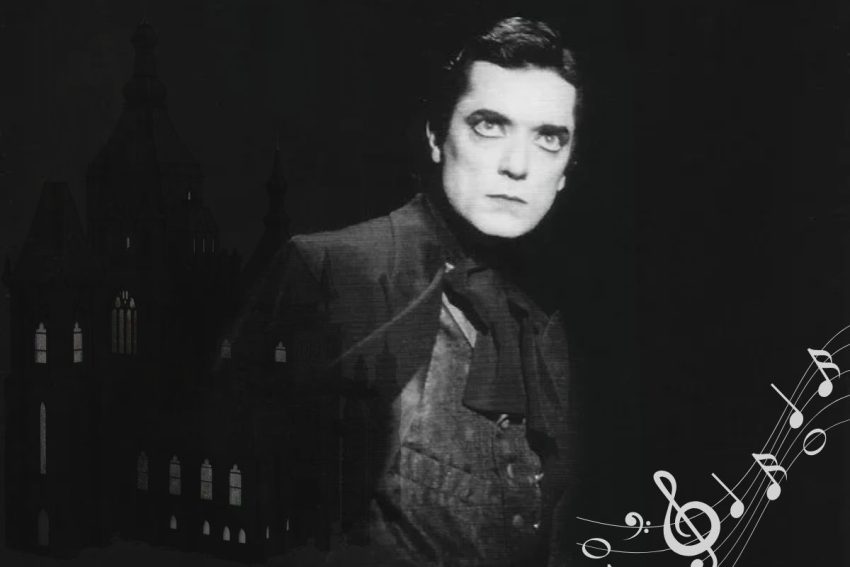
For fans of avant-garde and theatrical rock, Devil Doll is a band that fascinates with its mysterious aura and intricate music. Led by the enigmatic Mr. Doctor, the project blends gothic atmospheres, progressive structures, and folklore-inspired storytelling in a way that few bands dare to attempt. Understanding these roots is essential for Devil Doll collectors who want to fully appreciate the depth and artistry behind each composition.
Devil Doll’s sound is not just about the music itself, it is a fusion of mood, narrative, and aesthetic. Each composition often feels like stepping into a shadowy world where stories unfold through dramatic arrangements, distorted melodies, and operatic vocals. The connection to gothic traditions and folklore gives the music a richness that rewards careful listening and repeated exploration.
What This Article Covers
This post will highlight the key elements that define Devil Doll’s gothic and folklore influences. You will learn about the historical and cultural inspirations that shaped the music, the recurring themes in Mr. Doctor’s compositions, and how these influences manifest in both the sound and storytelling. By the end, you will have a deeper appreciation of Devil Doll’s unique position in the world of gothic and progressive rock.
Origins of Gothic Influence
The gothic element in Devil Doll’s music can be traced to the long tradition of dark romanticism and theatrical expression in European art and literature. Gothic music often embraces somber tones, dramatic tension, and an emphasis on mood over conventional structure. Mr. Doctor draws on these elements, crafting songs that feel cinematic and otherworldly. The music uses orchestral elements to create sweeping, layered soundscapes that evoke the same eerie and dramatic atmospheres found in gothic novels and theater.
In addition to musical structure, Devil Doll channels the gothic fascination with the mysterious and macabre. Themes of death, despair, and the supernatural are frequent, but they are presented with a sense of artistry rather than shock value. This creates an experience that is immersive and thought-provoking, appealing to listeners who enjoy music that is both emotionally intense and intellectually engaging.
Folklore Inspirations
Folklore has always been a rich source for storytelling in music, and Devil Doll embraces this fully. Mr. Doctor often weaves tales drawn from legends, myths, and regional stories that are centuries old. These stories are not always explicit; sometimes they appear as motifs, lyrics, or recurring themes that give the music a narrative depth. One notable example of this is the track Mark of the Beast, which draws on folkloric imagery and apocalyptic themes to create a haunting narrative.
European folklore, in particular, informs the aesthetic of Devil Doll. Tales of haunted forests, spirits, and tragic heroes surface throughout the compositions. This creates a musical landscape where history and imagination merge. Fans who listen closely can detect references to old myths or legends embedded in melodies, harmonies, and lyrical content, giving the music a layered meaning that evolves with each listen.
The Role of Mr. Doctor’s Vision
Much of Devil Doll’s mystique comes from the presence of Mr. Doctor, whose personality is as enigmatic as his music. He approaches each composition with a precise and theatrical mindset, blending gothic atmospheres with folklore themes. His creative vision ensures that every element of a song contributes to the overarching story or mood. From instrumentation to vocal delivery, nothing is accidental.
Mr. Doctor’s influence extends beyond musical technique. He constructs an entire world for the listener, inviting them into a narrative that is both cryptic and compelling. This attention to detail and dedication to storytelling sets Devil Doll apart from other gothic or progressive rock projects. Listeners often find themselves drawn into the music as though entering a stage play or cinematic experience, where each song unfolds like a scene from a larger story.
Musical Techniques and Storytelling
The combination of gothic and folklore elements is evident in the music itself. Devil Doll’s compositions often include sudden shifts in tempo, dramatic crescendos, and layered textures that heighten tension. These techniques mirror the unpredictability and emotional intensity of the folklore stories that inspire the lyrics. Vocal delivery, sometimes operatic and sometimes spoken, enhances the theatrical quality of the music.
Instrumentation plays a critical role in evoking mood. Strings, piano, and synthesizers blend with distorted guitars and percussive elements to create a rich, immersive sound. The use of minor keys, dissonance, and unusual chord progressions contributes to a haunting atmosphere that mirrors gothic literature and folklore alike. For listeners, this creates a sense of suspense and anticipation, as if the music itself is guiding them through a story of mystery and intrigue.
Themes Across Albums
Recurring themes in Devil Doll’s work reinforce the gothic and folklore roots. Death, fate, and the supernatural appear frequently, often explored through symbolic imagery rather than literal storytelling. Love, loss, and betrayal are common human experiences woven into narratives drawn from myth or legend. By combining universal emotional themes with esoteric folklore references, the music resonates on multiple levels.
Mr. Doctor’s albums often follow a conceptual structure. Instead of presenting individual, disconnected songs, the albums unfold as continuous narratives or thematic journeys. This approach allows the listener to experience a sense of progression and development similar to reading a story or watching a play. It is one of the reasons Devil Doll has maintained a devoted following despite remaining relatively underground in the wider music scene.
Cultural Context and Influence
Understanding the cultural context of Devil Doll deepens appreciation for its gothic and folklore roots. The band emerged in a period when progressive rock and experimental music were gaining traction in Europe. At the same time, there was renewed interest in traditional myths, legends, and historical narratives. Mr. Doctor merged these influences, bridging modern musical experimentation with age-old storytelling.
The result is music that feels both familiar and unsettling. Fans often describe it as timeless, partly because it draws from cultural narratives that have endured for centuries. Its gothic aesthetics appeal to those who enjoy dark romanticism, while the folklore content offers intellectual and emotional engagement that keeps listeners returning to the music again and again.
Live Performances and Theatricality
Although Devil Doll rarely performs live, when it does, the gothic and folklore elements are amplified. Stage presentations, lighting, and musical arrangement all contribute to a performance that feels like entering another world. Fans often report feeling as though they are participating in a ritual or witnessing a theatrical retelling of an ancient myth.
The theatrical approach reinforces the immersive quality of the music. Each song, whether heard on an album or performed live, carries layers of meaning and mood. This makes the listening experience unlike that of conventional rock or progressive music. It is as much a performance of atmosphere and emotion as it is a musical composition.
Lasting Appeal
The lasting appeal of Devil Doll lies in the depth and complexity of its gothic and folklore elements. Fans and collectors appreciate the attention to detail, from lyrical content to musical arrangement. The project’s refusal to conform to mainstream expectations adds to its mystique, creating an aura that keeps listeners engaged and curious. The combination of dark, theatrical music with folkloric storytelling creates a niche that has proven enduring, influencing other avant-garde and progressive artists over the years.
By maintaining a strong commitment to artistic vision, Mr. Doctor has ensured that Devil Doll continues to resonate with new audiences while remaining faithful to the gothic and folklore roots that define the project. Listeners who engage with the music often find themselves exploring not just the sound but the stories, themes, and emotions that make it unique.
Engaging With the Music
For those new to Devil Doll, approaching the music with patience and openness is key. The songs are long, complex, and layered, often requiring multiple listens to fully appreciate. Paying attention to lyrical motifs, instrumental subtleties, and thematic continuity can reveal connections to gothic literature, European folklore, and theatrical traditions. Engaging deeply with the music allows fans to form a personal connection to the haunting worlds Mr. Doctor creates.
Collectors and enthusiasts often analyze albums for hidden references or recurring motifs. This practice highlights the meticulous nature of the compositions and deepens appreciation for the thought and creativity involved. The gothic and folklore roots of the project become increasingly apparent with each listen, offering an evolving experience that rewards careful attention.
Why Devil Doll Matters
Devil Doll occupies a unique space in music history. The blend of gothic aesthetics, folklore-inspired narratives, and progressive musical structures creates a project that is simultaneously challenging and captivating. Mr. Doctor’s attention to atmosphere, storytelling, and theatricality ensures that the music is immersive and emotionally resonant. Fans are not just listening to songs, they are entering worlds shaped by imagination, tradition, and artistic vision.
Understanding these gothic and folklore roots allows fans to appreciate why Devil Doll has remained influential despite limited mainstream recognition. The project demonstrates how music can be both experimental and meaningful, combining artistic risk with emotional depth.
Connecting With the Legacy
The gothic and folklore elements in Devil Doll continue to inspire listeners, collectors, and musicians. The music invites exploration, discussion, and interpretation, creating a community around shared fascination with Mr. Doctor’s vision. Each album, track, and performance serves as a gateway into a world where gothic atmospheres and folkloric storytelling meet avant-garde experimentation.
By engaging with the music in this way, listeners experience a richer, more immersive connection to the work. The project encourages a deeper understanding of how gothic traditions and folklore can influence modern music, making Devil Doll an enduring subject for study and enjoyment.
A Timeless Experience
The gothic and folklore roots of Devil Doll give the project a timeless quality. Each listen reveals new details, new connections, and new layers of meaning. Fans find themselves returning again and again, drawn to the haunting melodies, dramatic narratives, and immersive atmospheres. Through the fusion of gothic aesthetics and folkloric storytelling, Devil Doll creates music that transcends time, leaving a lasting impression on those who engage with it.
For anyone captivated by dark, theatrical, and experimental music, understanding the origins and inspirations behind Devil Doll provides a window into a creative world that continues to intrigue and inspire. Listening closely, appreciating the details, and embracing the complexity of the music offers an experience unlike any other in modern rock.