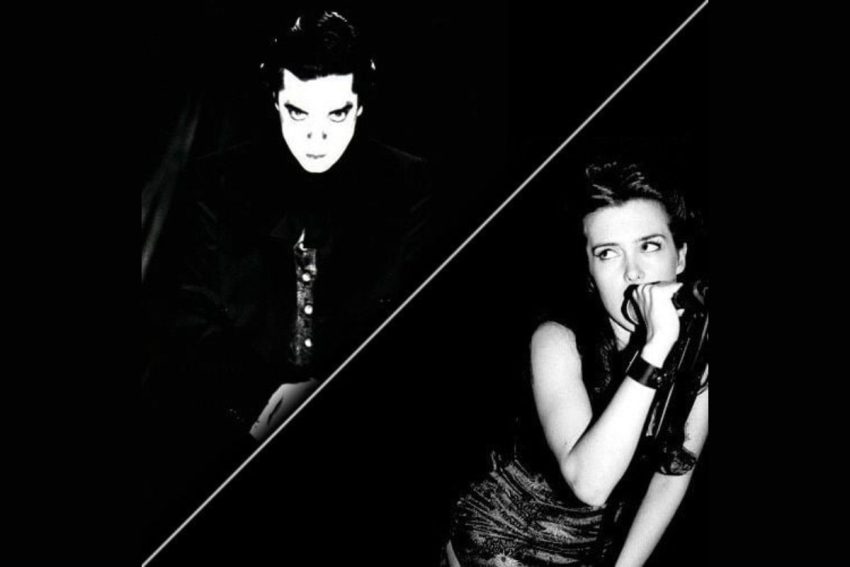
For fans of Devil Doll gothic music, understanding the roots of this mysterious musical project is as intriguing as listening to its music. Devil Doll, led by the elusive Mr. Doctor, has long fascinated listeners with its blend of gothic, progressive, and theatrical rock. Yet, the story behind its creation is closely tied to two specific places: Italy and Slovenia. These countries, with their rich cultural and musical heritage, influenced not just the sound but the artistic vision of Devil Doll.
Italy and Slovenia are more than mere backdrops in Devil Doll’s history. They contributed ideas, inspiration, and creative energy that shaped the band’s identity. From the haunting landscapes to the unique traditions in music and performance, these countries left an imprint that fans can still sense in the albums today.
Summary of Key Influences
This post explores how Italy and Slovenia played a crucial role in shaping Devil Doll’s music and identity. Italy’s dramatic artistic traditions and Slovenia’s quiet, mysterious landscapes combined to create a unique sound that blends theatricality with introspection. The influence of local musicians and cultural communities helped define both the music and the way it was presented to audiences.
We also look at how these influences manifest in Devil Doll’s compositions, arrangements, and performance choices, providing fans with a deeper appreciation for the thought and artistry behind each album.
How the Geography Influenced the Music
Italy and Slovenia have distinct landscapes and histories that contribute to their cultural identity. Italy is known for its historic cities, art, and deep musical traditions. Slovenia, smaller but equally rich, offers dramatic landscapes, old-world towns, and a mixture of cultural influences from neighboring countries. For Mr. Doctor, these environments provided both aesthetic and emotional fuel. The eerie beauty of a Slovenian forest or an Italian piazza can almost be felt in the melodies, the arrangements, and even the storytelling found in Devil Doll’s compositions.
The Italian influence is noticeable in the theatricality of the music. Italy has a long history of opera, drama, and storytelling through performance. Mr. Doctor borrowed this tradition, shaping songs that are not just music but full theatrical experiences. The dramatic shifts in tempo, the complex orchestral arrangements, and the emotional intensity all hint at an inspiration drawn from Italy’s rich artistic culture. This also explains why orchestral elements matter in Devil Doll’s work, they provide depth, emotion, and a sense of drama that cannot be achieved through standard rock instrumentation alone.
Slovenia, in contrast, provided a sense of mystery and introspection. Its landscapes, misty mountains, dense forests, and quiet villages, mirror the haunting and enigmatic qualities in Devil Doll’s music. Fans often note that the album atmospheres feel cinematic, almost as if each song transports listeners through a Slovenian night or a foggy valley. The subtle melancholy, the moments of stillness in the music, reflect this Slovenian influence.
Cultural and Historical Influences
The history and culture of both countries also played a key role. Italy’s Renaissance legacy, for instance, emphasizes innovation, mastery, and blending of art forms. Mr. Doctor absorbed this mindset, experimenting with different genres and instruments, creating compositions that are complex yet cohesive. The layering of sounds, combining rock elements with classical orchestration, echoes the Italian appreciation for artistry and craftsmanship.
Slovenia’s history brings a different texture. Being at a crossroads in Europe, Slovenia has absorbed influences from Austria, Hungary, Italy, and the Balkans. This mixture of cultural perspectives aligns with Devil Doll’s tendency to break genre boundaries. Slovenian folklore, storytelling traditions, and a strong sense of identity likely inspired the narrative depth found in Devil Doll’s lyrics and musical storytelling. This blend of cultures allowed Mr. Doctor to develop a style that is both universal and unique, giving the music a sense of timelessness.
Community and Collaboration
Another way Italy and Slovenia shaped Devil Doll is through collaboration. Music scenes in both countries encouraged experimentation. Italian musicians are known for their technical skill, while Slovenian artists often explore unconventional ideas. Working with local musicians, Mr. Doctor was able to merge these strengths into a sound that is both precise and imaginative. The influence of local collaborators helped Devil Doll avoid conventional rock patterns and pushed the music into uncharted territory.
Local communities also influenced the way the band approached performance. Italy’s theatrical culture and Slovenia’s intimate, communal approach to music events informed how Devil Doll presented live shows and storytelling through recordings. The attention to audience experience, the dramatic pacing, and even the album packaging reflect a sensitivity to these cultural values. It is not just music for listening; it is music that creates a connection and evokes a shared experience. This also provides insight into why Devil Doll rarely played live, as the music was designed to create a controlled, immersive experience that could not easily be reproduced on stage.
Mystique and Identity
Italy and Slovenia didn’t just contribute to the music; they helped shape the identity of Devil Doll. Mr. Doctor is famously elusive, and the choice of these countries as a base added layers to the mystique. Italy’s historical grandeur and Slovenia’s quiet, hidden beauty both provide settings that support the enigmatic aura surrounding the project. The blending of familiar and unfamiliar elements in the music mirrors the way the band blends known cultural references with unexpected innovation.
Fans often speculate that Mr. Doctor’s personal connection to these countries goes beyond geography. There is a sense of belonging, as if the music could only have been born from the specific energy of Italy and Slovenia. This connection makes each composition feel personal, almost like a secret shared with listeners who are willing to pay attention to the subtleties and nuances.
Themes and Storytelling
Devil Doll’s albums are known for storytelling that is both dramatic and subtle. Italian theatrical influence contributes to the grandeur of the narratives, while Slovenian cultural elements add moments of reflection and mystery. The combination allows for stories that are complex and layered. Themes of love, fear, loss, and transformation are expressed with intensity but also with nuance. The music doesn’t just tell a story; it evokes an experience, a mood, and a world that feels alive.
The choice of language, instrumentation, and arrangement also reflects this dual influence. Italian opera often emphasizes emotional vocal delivery, which can be heard in Devil Doll’s dramatic singing. Slovenian musical sensibilities contribute to the atmospheric background and subtle instrumental textures that make each track feel like a journey through a landscape, emotional or physical.
Enduring Impact
The cultural and musical contributions of Italy and Slovenia have helped Devil Doll stand out in the world of rock music. While many bands follow trends, Devil Doll’s music remains timeless, partially because of its roots in places with deep artistic and cultural heritage. Italy and Slovenia didn’t just shape a sound, they shaped a philosophy of creation that values artistry, experimentation, and emotional depth.
For fans, understanding these influences adds a new layer of appreciation. Listening to Devil Doll becomes more than hearing music; it becomes an exploration of culture, geography, and human expression. The albums feel richer when the listener knows the background and context that inspired them, allowing the music to resonate more deeply.
A Living Legacy
Today, Devil Doll continues to inspire new generations of musicians and fans. The influence of Italy and Slovenia is still present, visible in the careful attention to detail, the blending of genres, and the commitment to creating music that is more than just entertainment. For collectors, music enthusiasts, and fans of theatrical rock, this connection to place enriches the experience and deepens the fascination.
Even for new listeners, the trace of these countries in the music is palpable. The dramatic, operatic elements draw on Italian tradition, while the quiet, haunting tones reflect Slovenian landscapes. Understanding this interplay allows fans to connect more fully with the work and appreciate the unique identity of Devil Doll.
Italy and Slovenia are not just historical footnotes, they are part of the very DNA of Devil Doll. Their influence is felt in every orchestral flourish, every dramatic pause, and every haunting melody. The music continues to captivate because it is alive with the spirit of these two countries, creating a blend of mystery, artistry, and emotion that is impossible to replicate.
By following the paths laid down by Italian and Slovenian culture, Mr. Doctor created a project that transcends geography yet remains rooted in it. The albums, performances, and artistic choices all reflect a profound respect for cultural heritage, while also pushing boundaries in musical storytelling.
Devil Doll’s work reminds fans that music can be more than sound, it can be a reflection of the places that inspire it, a melding of cultures, and a lasting statement of creativity. Italy and Slovenia shaped the sound, the atmosphere, and the soul of Devil Doll, leaving a legacy that continues to enthrall and inspire.